


Field notes
Turkey Warns Altis Instability Puts Poseidon Reserve at Risk
Turkish officials say worsening disorder on Altis now threatens regional energy security and the safety of critical infrastructure tied to the Poseidon Reserve.
Turkey Warns Altis Instability Puts Poseidon Reserve at Risk
Meridian News Network (MNN)
April 11, 2025
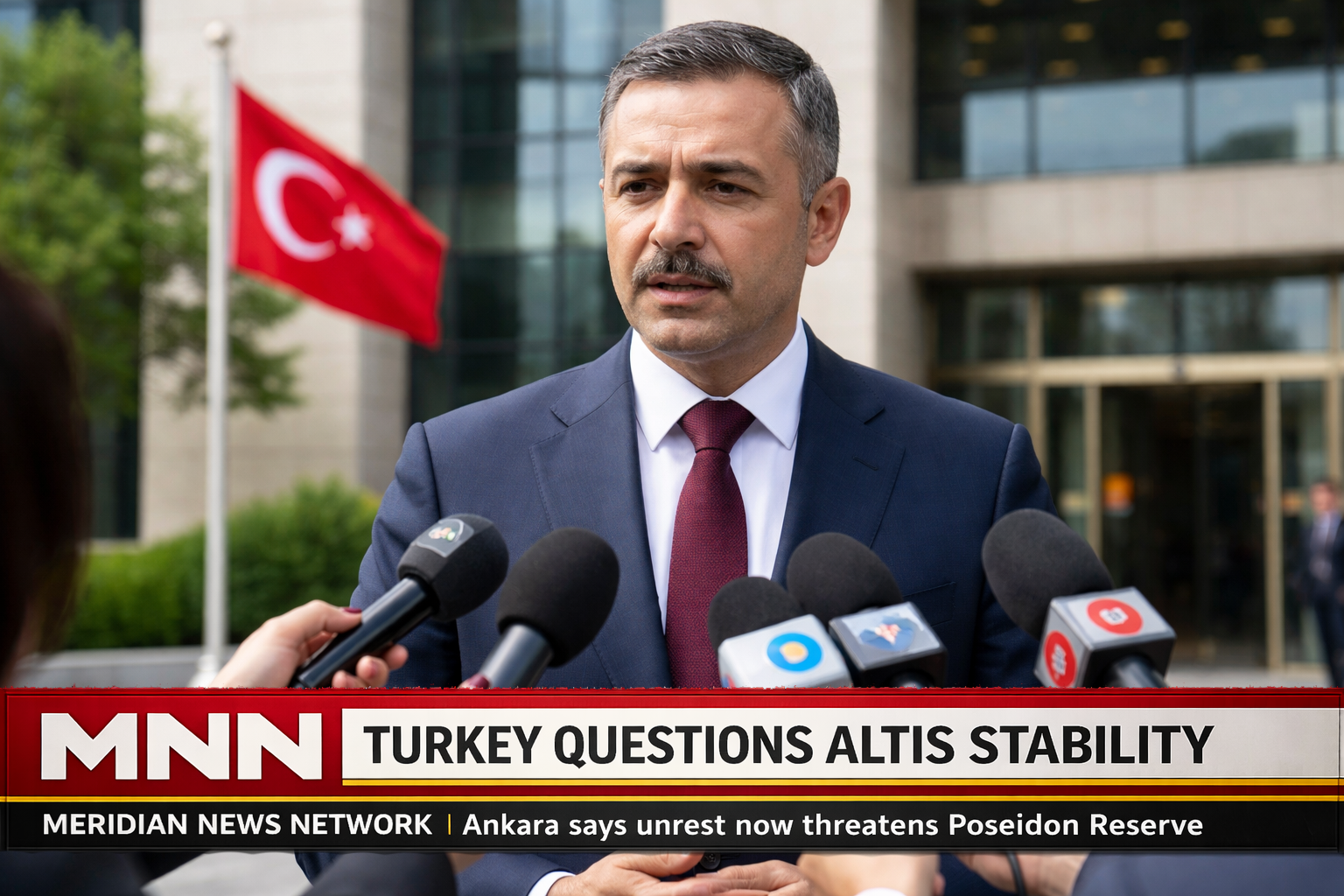
ANKARA, TURKEY - Turkey’s foreign minister has issued one of Ankara’s most direct warnings yet on the deteriorating situation in Altis, arguing that the Republic of Altis and Stratis may no longer be capable of securing critical national infrastructure as violence on the island continues to spread.
Speaking after several days of intensified fighting in northwestern Altis, the minister said the Republic’s worsening disorder now posed a threat not only to civilian safety and public order, but also to the long-term security of the Poseidon Reserve and the broader stability of the eastern Mediterranean.
The remarks stop short of proposing specific action. Even so, analysts say the language appears carefully designed to challenge Altis’ claim that the crisis remains a domestic security matter and to suggest that the consequences of continued inaction may soon extend beyond the island itself.
Ankara Sharpens Its Public Tone
In the statement, the foreign minister said Turkey remained committed to regional stability and the protection of civilian life, but warned that recent developments on Altis had raised serious questions about whether the Republic could still guarantee the security of key national assets.
“No state can claim full responsibility for strategic infrastructure it can no longer reliably protect,” the minister said. “When disorder, armed violence, and institutional paralysis begin to endanger assets with regional consequences, the matter ceases to be purely internal.”
Although the Poseidon Reserve lies south of Altis, Turkish officials argued that the island’s worsening security environment could still endanger future development, related transport routes, and the broader investment climate around eastern Mediterranean energy projects.
From Internal Disorder to Regional Risk
That shift in emphasis is notable.
Until recently, Turkish public messaging on Altis had focused primarily on humanitarian concerns, economic breakdown, and the danger of internal conflict. The latest statement places much greater weight on energy security, strategic infrastructure, and the possibility that instability on the island could produce wider consequences for neighboring states and international investors.
That framing comes as the Poseidon Crisis appears to be entering a more openly militarized phase. The destruction of the Northern Radar Installation and the Republic’s subsequent sweep operations in northwestern Altis have reinforced the sense that events on the island are moving beyond demonstrations, sabotage, and sporadic unrest into something more dangerous and less predictable.
Turkish officials did not directly declare that the Altian government had lost control. They did, however, repeatedly suggest that its institutions were weakening, that its security guarantees were becoming less credible, and that the island’s instability was now creating consequences other states could not be expected to ignore indefinitely.
A Message to More Than One Audience
Regional observers say the statement appears aimed at several audiences at once.
For domestic listeners in Turkey, it presents Ankara as a government closely monitoring a nearby crisis with clear implications for national and regional security. For foreign governments and energy firms, it signals that Turkey intends to remain an active voice in any future discussions involving Altis, the Poseidon Reserve, and the Mediterranean balance surrounding them.
It may also serve as a warning to Altian leadership and its foreign partners that Ankara does not view the island’s current instability as a narrow internal matter.
“This is not just rhetoric about unrest anymore,” said one Ankara-based regional analyst. “Once officials start questioning whether Altis can still protect its own infrastructure, they are moving into the language of conditional sovereignty. That is a serious escalation in public framing.”
Pressure on the Republic
For the government in Kavala, the timing is difficult.
The Republic is already trying to project confidence after costly recent operations against armed opposition forces in the western highlands. Publicly, officials have insisted that the state remains in control and that the threat posed by insurgent cells is being contained. Statements from Ankara appear intended to challenge that image more directly by suggesting that the island’s institutions are weaker than they claim and may no longer be equal to the crisis unfolding around them.
That matters because the struggle over perception is now becoming part of the crisis itself. If foreign governments, investors, and regional partners begin to accept the idea that Altis can no longer reliably secure its own territory or strategic assets, the Republic could find itself under growing external pressure even before the fighting expands further.
The Reserve at the Center Again
From the moment it was announced in 2024, the Poseidon Reserve transformed Altis from a troubled island state into a strategically exposed one.
The latest Turkish comments underscore how fully that transformation has now taken hold. What began as a domestic crisis tied to economic breakdown and public unrest is increasingly being discussed in the language of regional energy security, external responsibility, and strategic risk.
For now, Ankara continues to present its position as one of concern rather than intervention.
But the foreign minister’s statement makes one thing clear: Turkey is no longer speaking about Altis only as a neighbor in difficulty. It is speaking about the island as a state that may be failing in responsibilities with wider regional consequences, and as a crisis that others may soon argue cannot be left to Altian authorities alone to resolve.
Related coverage
Follow the wider story
Move from the report to the linked operation and adjacent reporting to keep the Poseidon Crisis thread connected.
Republic Denounces Turkish Presence at Molos Airfield
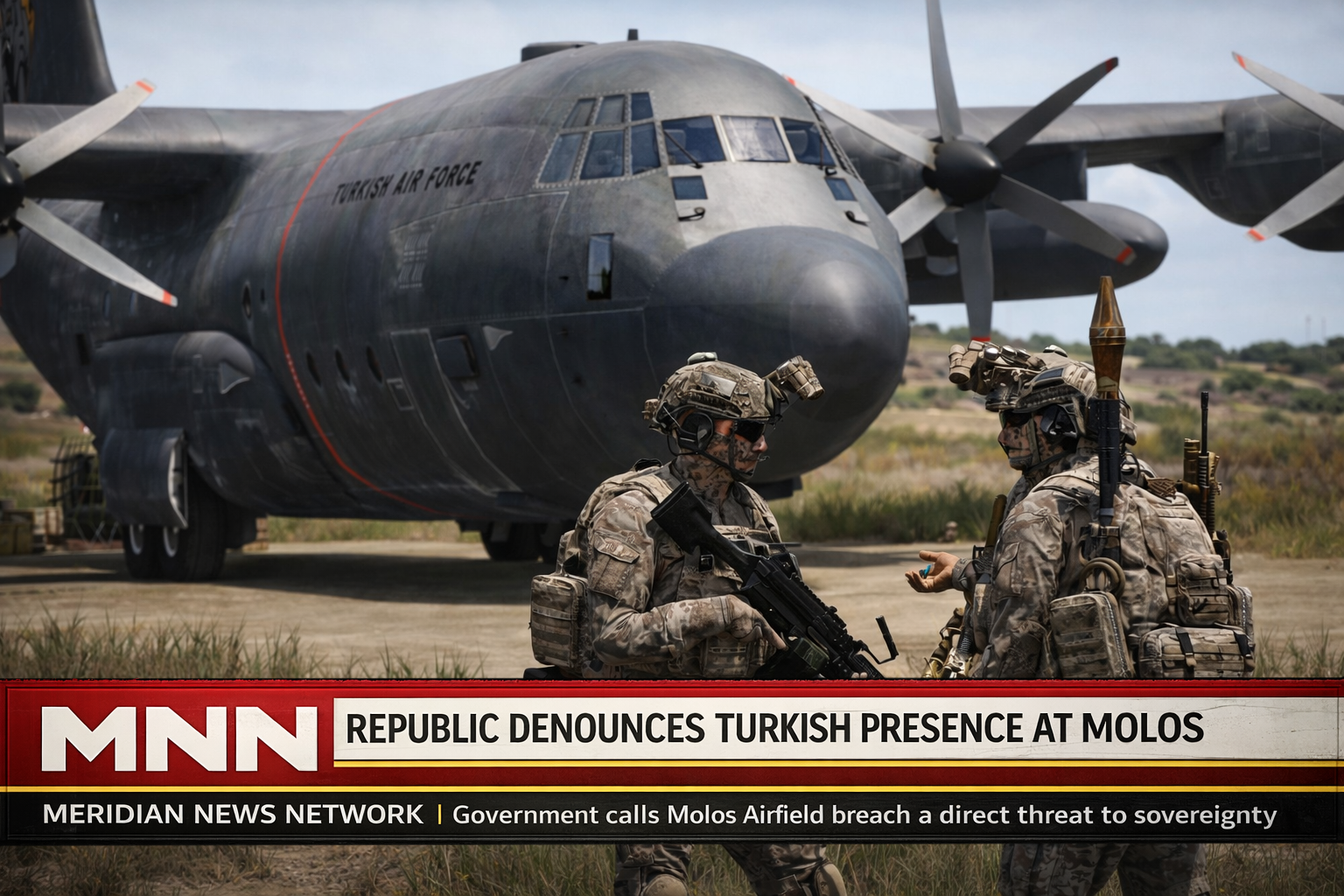
The government of Altis and Stratis says Turkish forces have established an unlawful position at Molos Airfield, marking the clearest rupture yet between covert pressure and open intervention.
AAF Sweep in Northwest Altis Reveals Higher-Than-Expected Resistance
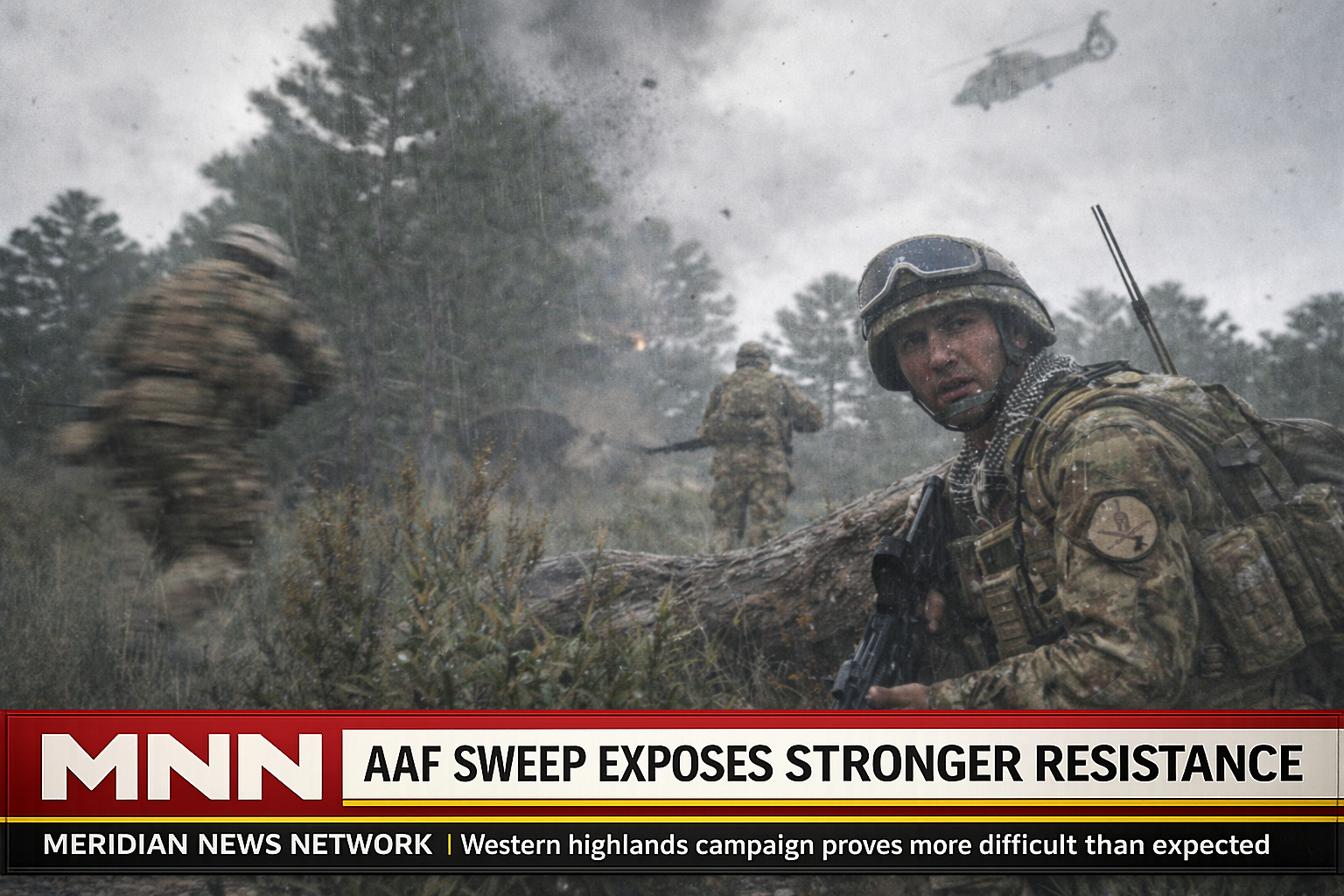
Sweep operations in northwestern Altis have exposed a more capable and more deeply rooted armed opposition presence than many officials initially suggested.
Defense Ministry Signals Imminent Northwest Altis Operation
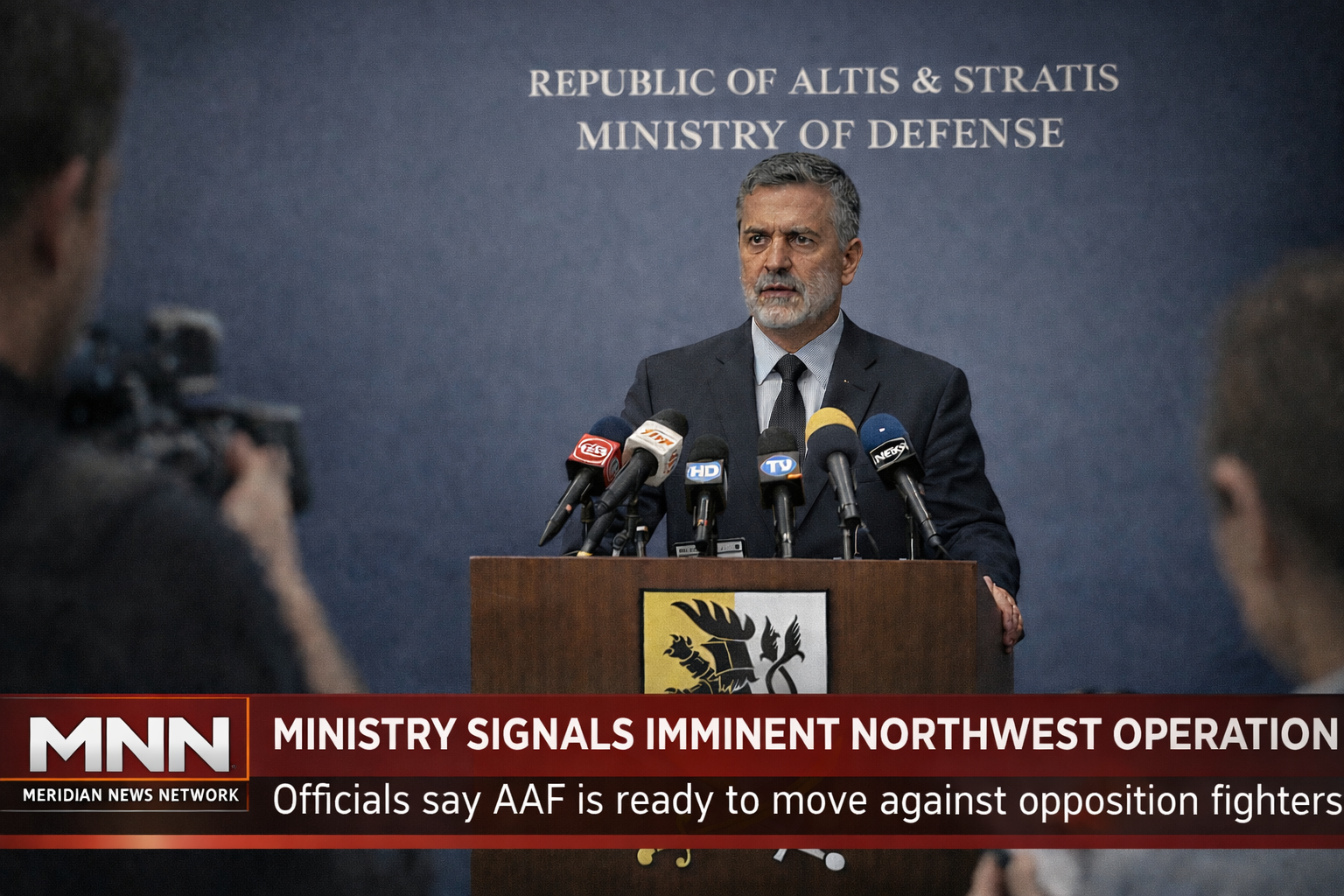
The Republic's Defense Ministry says AAF forces are preparing for operations in northwestern Altis after new intelligence reinforced concerns over armed opposition activity in the region.