

Field notes
Sigma Team
Opposition unit led by Niko Lykos that carried out the Molos diversion after being reduced to four surviving core members following the Northern Radar Installation raid.
Overview
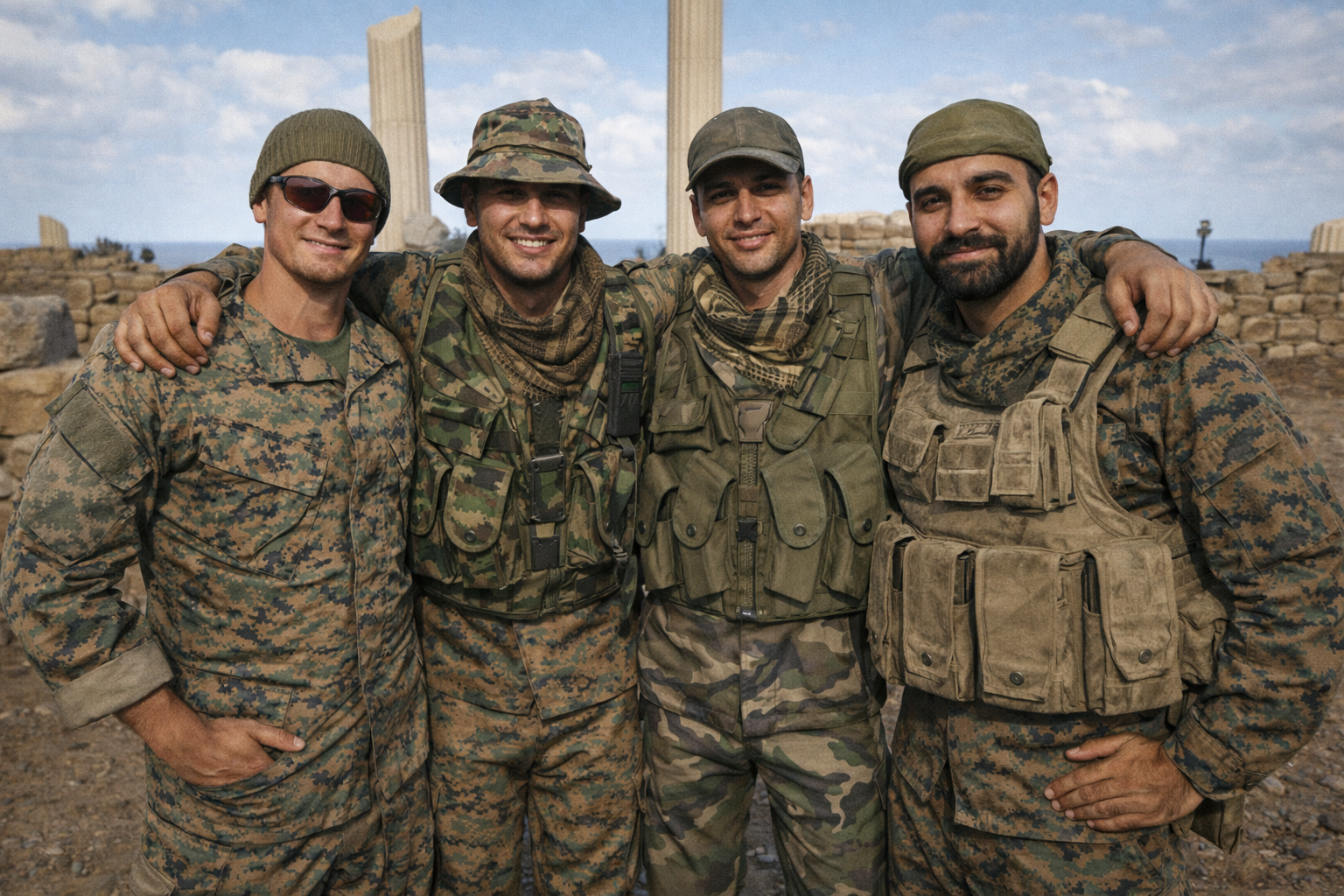
Sigma Team is an armed opposition unit active on Altis during the early stages of The Poseidon Crisis. Led by Niko Lykos, the team originally fielded a larger strike element during the opening phase of the crisis, but after the Destruction of the Northern Radar Installation it was reduced to the four surviving members most closely associated with it: Lykos, former soldier Andreas Markakis, rifleman Lukas Rigas, and medic Dorian Leventis.
Within the broader Altian Opposition Networks, Sigma Team stands out less for its size than for its cohesion. It is a compact field element built from mixed backgrounds, but held together by discipline, familiarity, and a level of operational seriousness that many local cells lacked.
Composition
Before the radar strike, Sigma Team appears to have operated as a larger armed cell rather than as only the four-man remnant known later in the story. Later reconstruction suggests that roughly nine Sigma fighters took part in the radar attack. Five were left dead, dying, or captured at or near the site, leaving only four survivors to carry the unit forward afterward.
Those surviving four combine different forms of usefulness rather than drawing from a single background. Lykos provides command authority and internal control. Markakis brings the clearest formal military experience. Rigas contributes weapons familiarity and field discipline shaped by private security work. Leventis gives the remnant team a medical capability that makes a small armed element far more resilient than its size would normally suggest.
That internal mix matters. Sigma Team does not read as a loose collection of desperate men who happened to take up rifles at the same time. Even after being reduced in size, it reads as the surviving core of a tighter field unit formed by local collapse, personal ties, and the hardening influence of a commander who insists on structure.
Role in the Poseidon Crisis
As unrest on Altis shifted toward more organized violence, small units like Sigma Team became increasingly important. Even when operating inside a wider opposition environment that remained fragmented and only partly coordinated, a disciplined four-man element could carry out reconnaissance, ambushes, sabotage, and short-duration strikes with more reliability than a larger but less organized group. That evolution becomes clearest in the Destruction of the Northern Radar Installation, where a small strike element demonstrates exactly how dangerous such teams had become.
Sigma Team therefore helps illustrate a broader change inside the crisis. The armed opposition was no longer composed only of improvised street groups or politically angry civilians. It was beginning to produce field-capable units that could plan, move, and fight with greater purpose. In that sense, Sigma Team is significant not because it represents a mass movement, but because it shows what parts of that movement were becoming.
Role in the Molos Diversion
By April 13, 2025, Sigma Team had moved from being a surviving remnant of the radar strike to functioning as a compact diversionary element inside a much larger operation. Under Niko Lykos, the unit was tasked with helping draw police and AAF personnel away from Molos Airfield by sabotaging power infrastructure and then deliberately fixing security forces on a prepared urban strongpoint.
That assignment reveals something important about Sigma Team’s place in the wider crisis. The unit was no longer only conducting isolated raids or localized insurgent actions. It was being used as a controlled operational tool inside a plan whose real objective lay elsewhere. Andreas Markakis, Lukas Rigas, and Dorian Leventis appear to have understood the tactical task in front of them, but not the full scale of what their actions were helping enable.
The Molos action also reinforced Sigma Team’s identity as a disciplined, high-risk field unit. The team destroyed the transformers, fought police and military forces from a safe house inside town, improvised a withdrawal under pressure, and only afterward learned that the operation had been tied to the arrival of Turkish forces at the airfield. In practical terms, Sigma’s significance after April 13 lies in showing how select opposition cells had become instruments of a broader foreign-backed escalation rather than merely local expressions of armed unrest.
Role in the Sophia Ambush
By April 16, 2025, Sigma Team’s role had narrowed even further from autonomous cell activity into direct support for Turkish battlefield requirements. With Niko Lykos temporarily absent while coordinating elsewhere, the remaining field element of Andreas Markakis, Lukas Rigas, and Dorian Leventis was sent to support an opposition ambush on an AAF convoy near Sophia believed to be moving additional artillery.
The action shows Sigma operating not as a diversionary tool this time, but as part of a more direct effort to weaken the AAF’s ability to hold back the Turkish advance. Markakis used the team’s RPG to help jam the road and wreck the convoy, after which Sigma joined the push against a nearby artillery position once AAF reinforcements began reacting. The mission reinforced the pattern already visible at Molos: Sigma Team was no longer simply fighting the state in isolation. It was becoming a compact opposition element used to shape conditions for Turkish operational movement on the ground.
Identity
Although small, Sigma Team reflects the harder edge of the local insurgency on Altis. Its members are not identical in motivation, training, or outlook, but under Lykos they function as a coherent unit rather than an accidental grouping. That is what gives the team narrative weight within the Poseidon Crisis setting: it captures how discipline, economic collapse, and armed opposition began to converge at the level of individual men.
Related reporting
Read the wider story around this reference page
These linked reports and operations connect this reference page to the campaign developments and episodes where the story moves.
Fresh Kavala Protests Signal Deepening Crisis on Altis
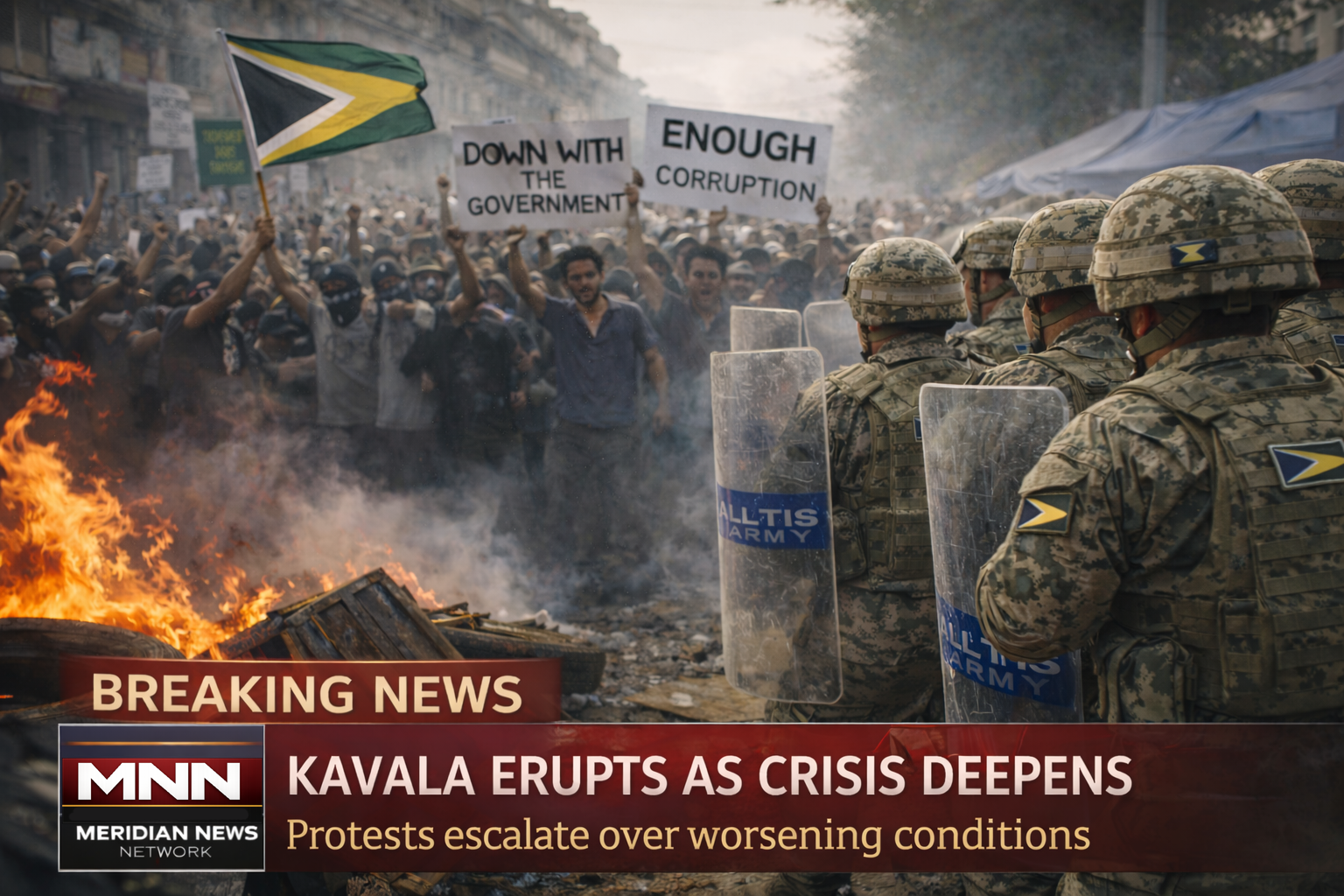
A new wave of demonstrations in Kavala underscores the continuing economic breakdown on Altis, with some marchers now appearing armed as local coverage intensifies.
War Breaks Out on Altis as Republic Forces Clash With Turkish Troops
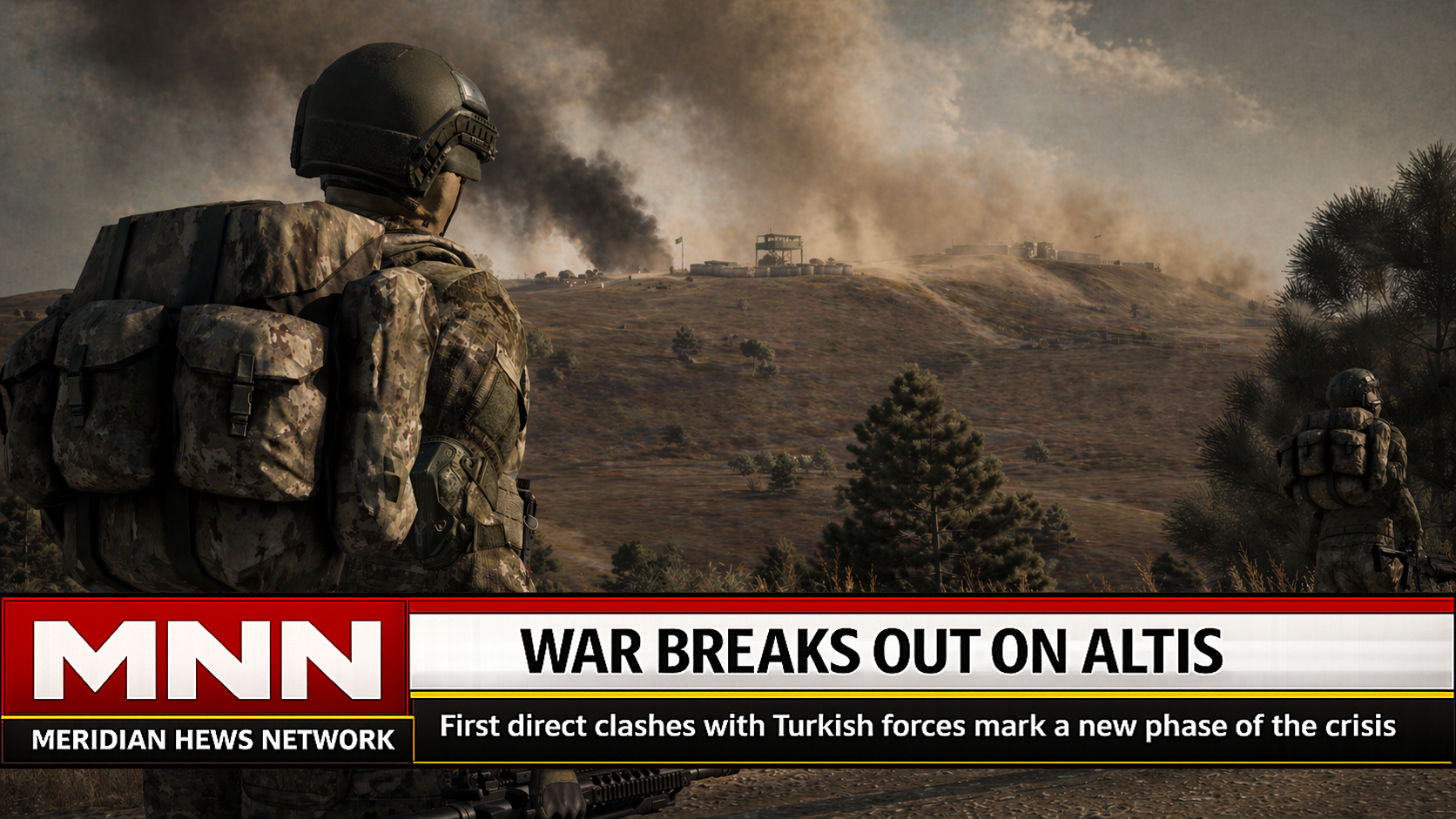
The first direct battles between Altian and Turkish forces have turned the Poseidon Crisis from open intervention into outright war on the island.
Turkey's Advance Past Sofia Moves More Slowly Than Expected
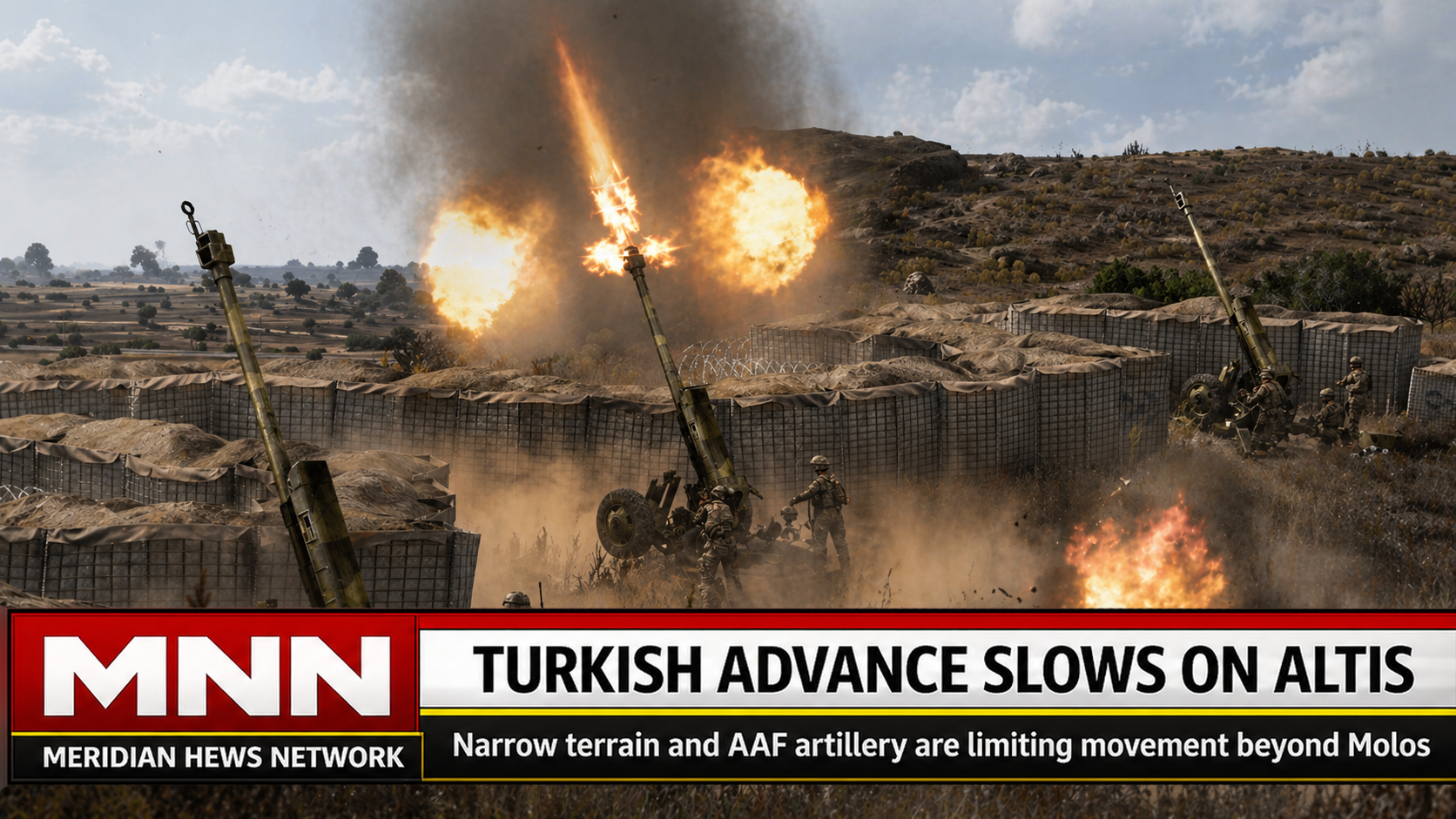
Turkish forces have struggled to build momentum past Sofia as AAF artillery, narrow terrain, and heavier-than-expected early losses slow the opening phase of the advance.