

Field notes
Arda Aydin
Brigadier General Arda Aydin of the Turkish Armed Forces, previously known within Altian intelligence and opposition circles by the codename The Turk.
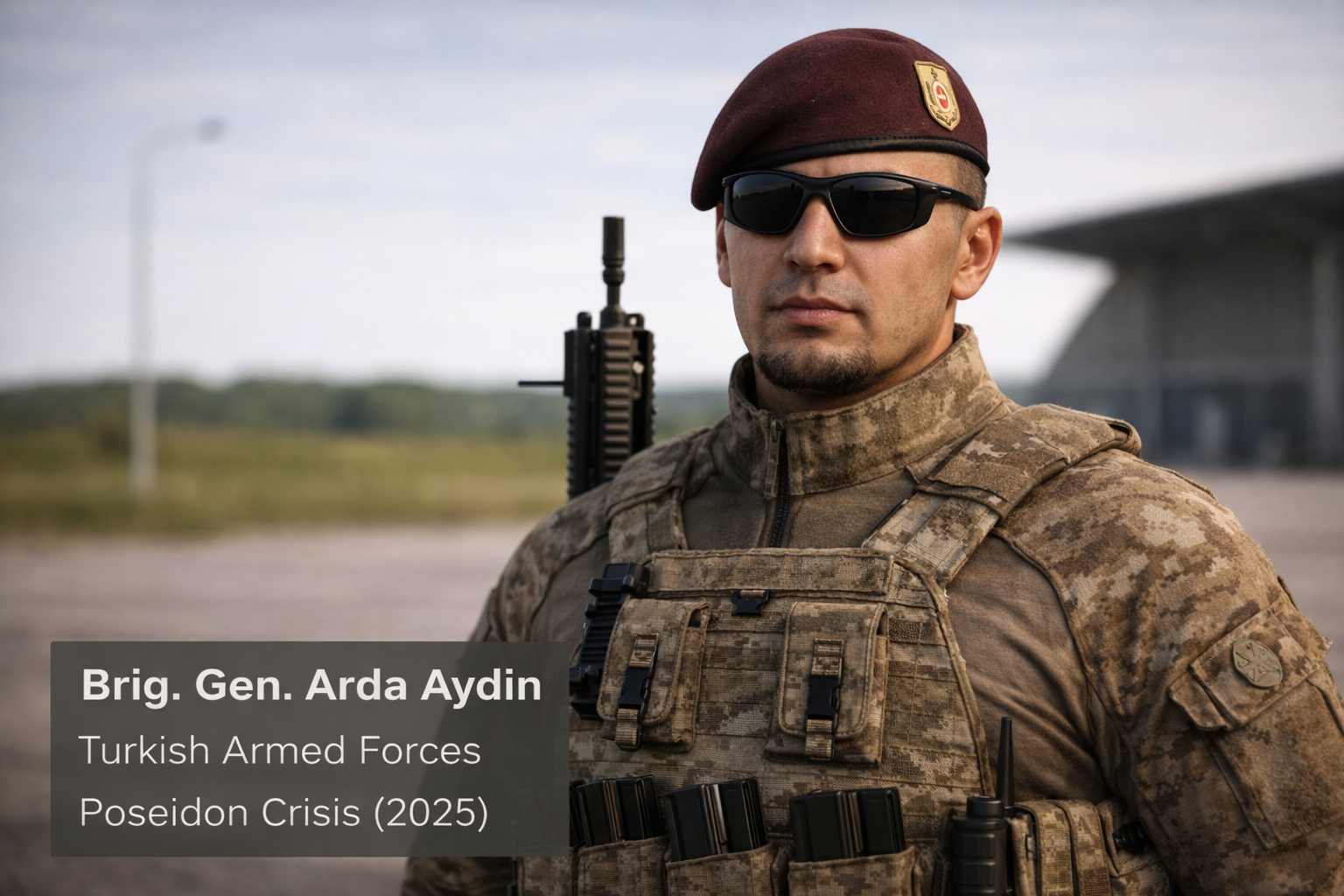
Also known as: The Turk
Overview
Arda Aydin is a brigadier general of the Turkish Armed Forces and one of the central external actors in the early escalation of the Poseidon Crisis. Before his identity became known, he was referred to within opposition circles and later in AAF intelligence reporting by the codename The Turk, a label used to describe the foreign figure believed to be coordinating covert support for select anti-government elements on Altis.
By the time of his public reveal, Aydin had already spent months shaping conditions on the island through indirect means. His role linked covert destabilization, strategic deception, and later overt Turkish military involvement into a single continuous effort centered on political leverage and control over the Poseidon Reserve.
Identity and Reveal
For much of the early crisis period, Aydin’s identity was unknown to nearly everyone outside a narrow circle. The codename The Turk emerged first as a loose label attached to rumors of outside coordination, then as a working term used in intelligence assessments to explain the improving organization, funding, and armament of select opposition cells.
That uncertainty ended on April 13, 2025, when Andreas Markakis was brought to captured Molos Airfield and introduced directly to Brigadier General Arda Aydin by Niko Lykos. The reveal confirmed that the figure long discussed as The Turk was not simply a facilitator or intelligence cutout, but a senior Turkish military officer with direct influence over both covert operations and subsequent intervention planning on Altis.
Role in the Destabilization of Altis
Following the discovery of the Poseidon Reserve in June 2024, reports began to emerge of increased funding, improved coordination, and wider access to weapons among previously fragmented anti-government groups on Altis. Those developments were later tied to the support structure associated with The Turk and, by extension, to Aydin.
Aydin did not create the island’s unrest from nothing. Instead, he appears to have identified existing instability, selected factions capable of being strengthened, and amplified conditions that would weaken the Republic of Altis and Stratis without requiring immediate open intervention. In that sense, his role was less about inventing a crisis than shaping one into a more useful strategic instrument.
Methods
Aydin’s methods combined deniability with long-term preparation. Rather than relying on open Turkish involvement from the outset, he appears to have operated through intermediaries, selective material support, and carefully timed operations intended to intensify pressure on the Republic while obscuring the full source of that pressure.
This approach favored influence over visibility. Support moved through local actors. Objectives were often framed narrowly at the tactical level. And information was compartmentalized in ways that left figures such as Markakis aware of only part of the wider design they were helping advance.
Relationship with the Altian Opposition Networks
Arda Aydin is believed to have established links with elements of the Altian Opposition Networks, especially factions willing to adopt more disciplined, militarized, and strategically useful forms of action. Rather than unifying the opposition under a single centralized command, he appears to have worked by identifying useful nodes within it and strengthening them selectively.
That uneven pattern of support increased the capabilities of certain cells while preserving plausible deniability. It also helped deepen internal differences within the broader movement, as not all anti-government groups operated with the same level of outside backing, discipline, or awareness.
Relationship with Sigma Team and Lykos
Among the clearest signs of Aydin’s influence is his relationship with Niko Lykos and Sigma Team. Lykos appears to have been one of the local commanders most trusted to carry out missions aligned with Aydin’s broader goals, even when the full scale of those goals was not revealed to every fighter involved.
This relationship is significant because it shows how Aydin’s influence functioned on the ground. He did not simply funnel money or weapons into a generalized insurgency. He relied on local intermediaries such as Lykos, who could convert outside support into disciplined action and keep men moving toward objectives they only partly understood.
Relationship with Konstantinos Drakos
Long before his identity as The Turk became public, Aydin had crossed paths professionally with Colonel Konstantinos Drakos through a U.S.-hosted command and staff course that brought together officers from multiple regional militaries. Their relationship appears to have been based less on friendship than on mutual recognition between two serious career officers who understood one another’s professionalism.
That earlier contact adds texture to Aydin’s later role in the crisis. For Drakos, it helps explain why he remains inclined to believe Aydin can still be approached soldier-to-soldier rather than only as a hostile external actor. For Aydin, the prior acquaintance underscores that he is not moving against an abstract adversary, but against officers inside the republic whose competence and seriousness he likely understood well in advance.
Suspected Role in the Radar Strike
The attack on the Northern Radar Installation remains one of the clearest early indicators of Aydin’s operational influence before his identity was publicly known. Dialogue and later reconstruction suggest that, through his orders, an AAN media visit had been arranged in advance, creating the conditions that allowed the attackers through the outer checkpoint and giving the strike team access that a local cell likely could not have secured on its own.
If that interpretation is correct, the significance of Aydin’s role goes beyond supplying money or weapons. It suggests involvement in timing, access, and deception planning, including arranging the expected AAN arrival that Sigma later exploited after the murder of the original press crew. That would place him close to the operational design of the raid rather than merely acting as a distant sponsor.
The later seizure of Molos Airfield gave this earlier attack even greater strategic weight. If the destruction of the radar helped create a temporary blind spot in northern surveillance, then the raid was not simply a dramatic act of escalation. It was also a preparatory move that reduced warning time for the Turkish-linked operation that followed on April 13. In that sense, the radar strike fits Aydin’s broader pattern of shaping conditions in advance rather than relying on a single decisive action alone.
Strategic Objectives
Arda Aydin’s actions are best understood as serving a broader Turkish objective: weakening the Republic’s control over Altis while creating the political and military conditions for later intervention tied to the Poseidon Reserve. His methods suggest that destabilization was never the end state by itself. It was a preparatory phase.
From this perspective, covert support for select opposition elements, erosion of state authority, and the eventual seizure of key infrastructure all form part of the same strategic logic. The goal was not simply to punish the Republic or empower local resistance. It was to shape who would ultimately control Altis and the reserve that had transformed its regional importance.
Public Justification for Turkish Involvement
When Aydin’s identity became known, he framed Turkish involvement not as aggression but as necessary intervention. In his own account, Altis had become too unstable, its government too weak, and its critical infrastructure too exposed to be left without decisive outside action. He justified Turkish military involvement as a response to collapsing order, civilian risk, and the strategic vulnerability of the Poseidon Reserve.
That justification is central to understanding his role. Aydin did not merely help intensify the crisis behind the scenes. He also articulated the narrative that Turkey would use to present its actions to the outside world: that Ankara was stepping in because the Republic could no longer secure its own territory, its own people, or one of the most important energy discoveries in the eastern Mediterranean.
Significance
Arda Aydin represents the point at which covert destabilization and overt intervention converge in the Poseidon Crisis. As The Turk, he embodied the unseen foreign hand shaping early unrest from behind the curtain. As Arda Aydin, he stands revealed as a senior Turkish officer prepared to turn covert influence into direct military action.
That dual role makes him one of the most important figures in the early history of the crisis. He is not merely an outside observer, financier, or adviser. He is one of the principal architects of the transition from localized unrest and insurgent violence into a wider international confrontation over Altis, sovereignty, and the Poseidon Reserve.
Creator Notes
- Subtitle color: Burnt Amber (#C98A3D)
Related reporting
Read the wider story around this reference page
These linked reports and operations connect this reference page to the campaign developments and episodes where the story moves.
Fresh Kavala Protests Signal Deepening Crisis on Altis
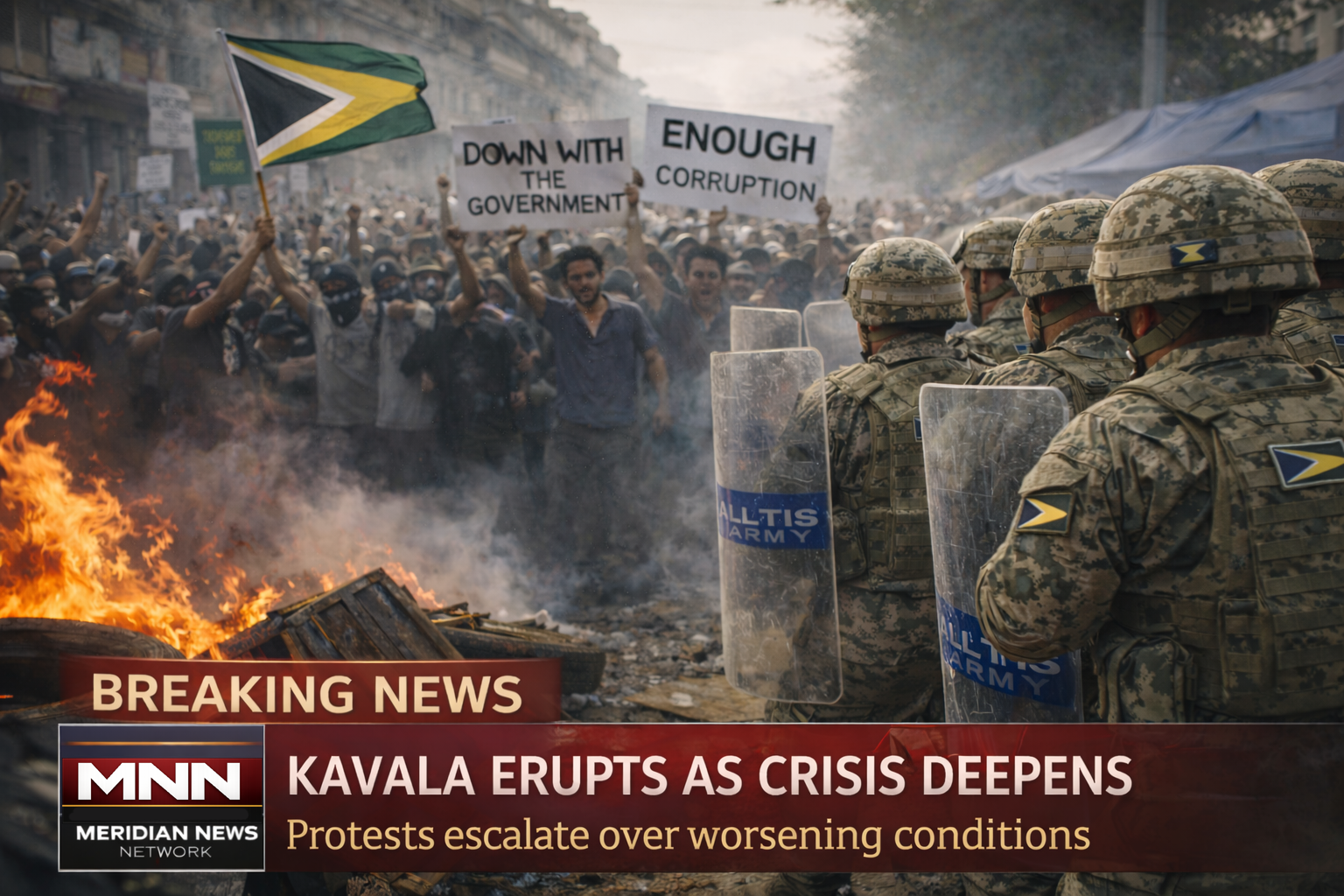
A new wave of demonstrations in Kavala underscores the continuing economic breakdown on Altis, with some marchers now appearing armed as local coverage intensifies.
Major Gas Discovery Near Altis Signals New Era
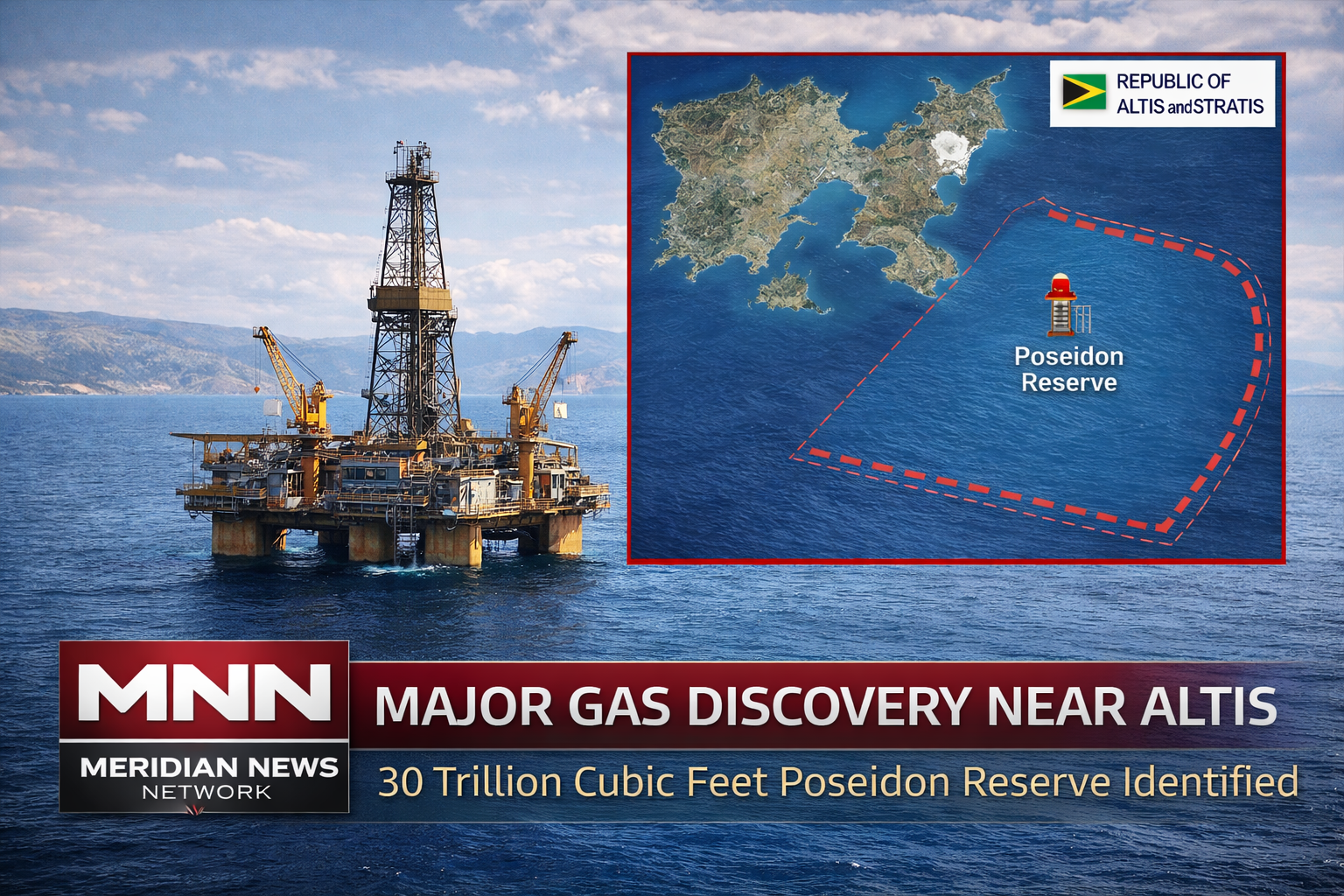
The discovery of the Poseidon Reserve positions Altis and Stratis as a major emerging energy player in the eastern Mediterranean.
Turkey Warns Altis Instability Puts Poseidon Reserve at Risk
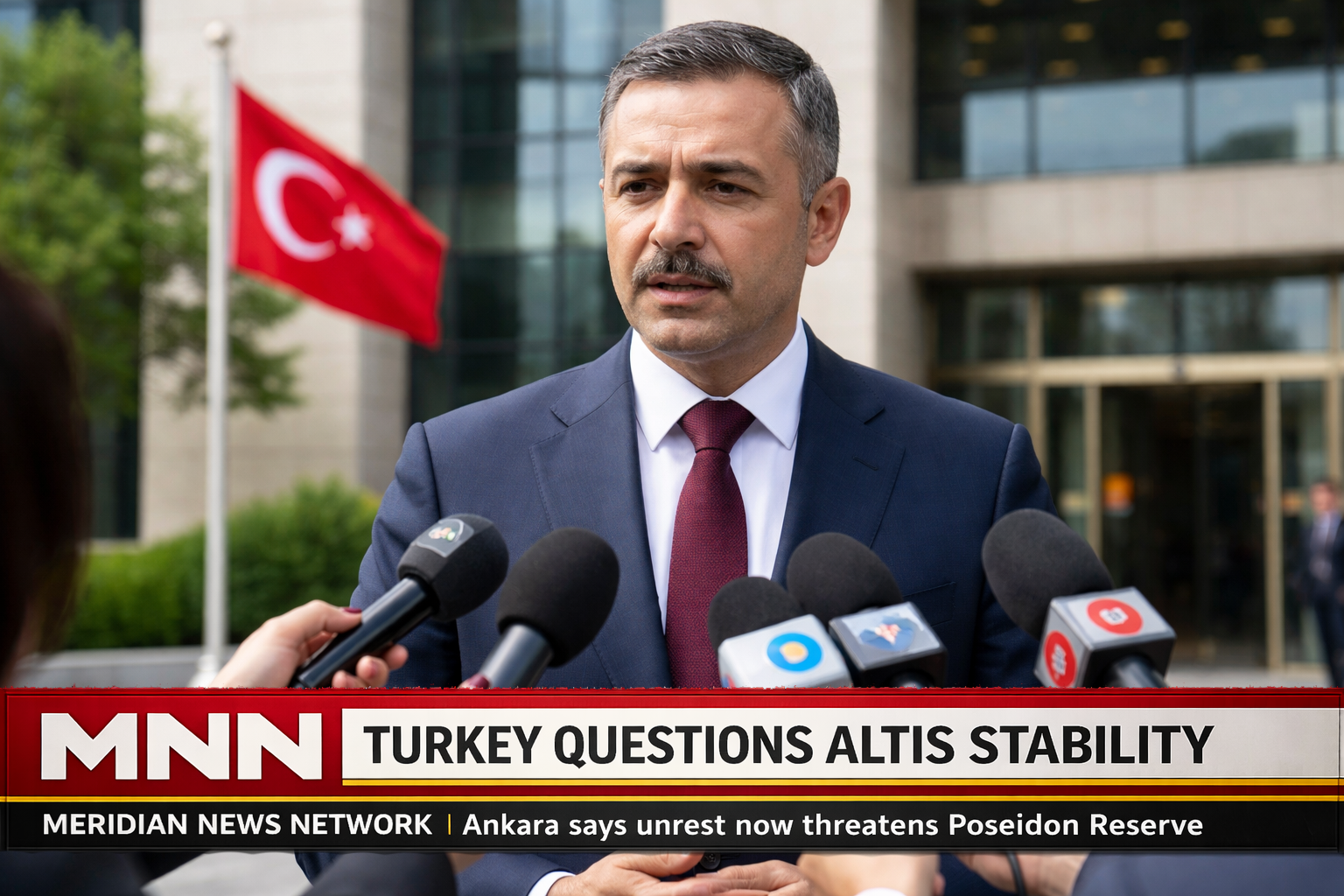
Turkish officials say worsening disorder on Altis now threatens regional energy security and the safety of critical infrastructure tied to the Poseidon Reserve.